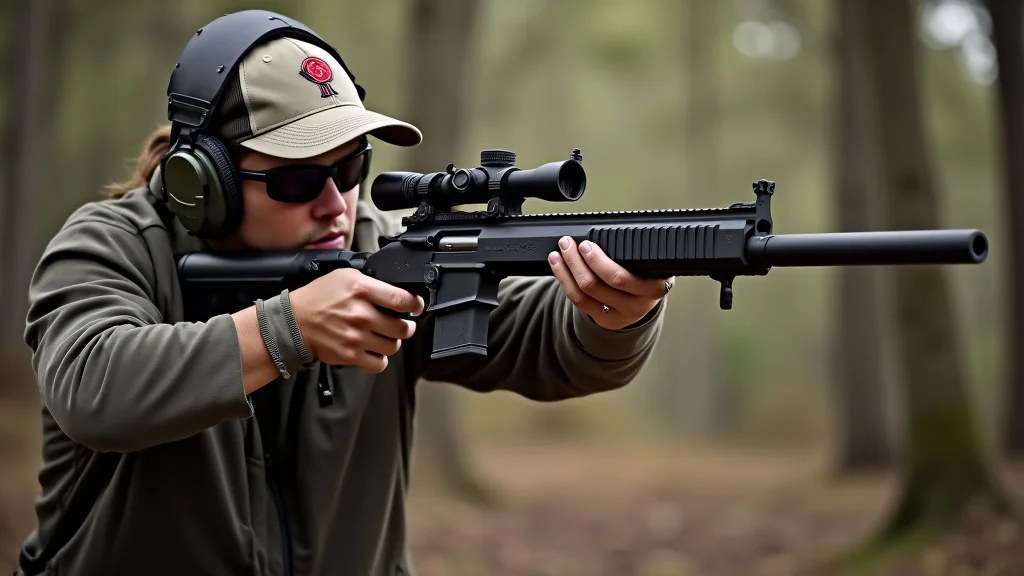
Picture this: You’re finally off the clock, and the weekend stretches before you like an open trail. The call of the wild whispers, urging you to trade screens for scenery and cityscapes for starlit skies. But where do you begin? For the avid sports outdoorsman, knowing where to start your adventures can be a challenge. This guide will provide the essentials you need to make the most of your time exploring the great outdoors, from selecting the right gear to mastering essential skills. Get ready to gain insights into planning, safety, and enhancing your outdoor experiences. By the end, you’ll be well-equipped to experience all the joys that nature has to offer, improving your readiness to create lasting memories in the wild.
Key Takeaways
- Learn how to choose the right equipment to ensure your safety and enjoyment on outdoor excursions.
- Discover strategies for planning and preparing for various outdoor activities, considering weather and location.
- Understand the importance of safety protocols and how to respond to common outdoor challenges.
- Gain knowledge about essential skills like navigation, first aid, and basic survival techniques.
- Find out how to embrace and preserve the beauty of nature through responsible practices.
- Explore a variety of outdoor activities suitable for beginners, advanced enthusiasts, and families.
Choosing the Right Gear: A Sports Outdoorsman’s Guide
Selecting the correct equipment is the first step toward a successful and enjoyable outdoor adventure. From the right clothing to essential navigation tools, the gear you choose can impact your comfort, safety, and overall experience. The goal is to balance functionality, durability, and weight. The best gear will allow you to focus on the experience, not on struggling with poorly chosen equipment. Let’s explore the essential categories and how to make smart choices. Choosing the right gear can transform a simple walk into an unforgettable journey.
Essential Clothing for the Sports Outdoorsman
Clothing choices are crucial, playing a significant role in regulating body temperature and protecting you from the elements. Layering is key, allowing you to adapt to changing conditions. A base layer wicks away moisture, a mid-layer provides insulation, and an outer layer offers protection from wind and rain. Consider the season and activity when selecting your clothes. For example, hiking in the summer might require lightweight, breathable fabrics, while winter activities demand insulated, waterproof gear. Choosing the right clothes will keep you comfortable and ready for any adventure.
- Base Layers: These are the foundation of your clothing system, designed to wick away sweat and keep you dry. Look for materials like merino wool or synthetic fabrics.
- Mid-Layers: Provide insulation to trap body heat. Fleece jackets or insulated vests work well. Choose the right thickness depending on the weather.
- Outer Layers: These protect against wind, rain, and snow. Waterproof and windproof jackets and pants are essential. Breathability is also important.
- Footwear: Your boots are your feet’s best friends. Select the right boots that fit and support your feet and ankle. Consider hiking boots for trails and waterproof options for wet conditions.
- Accessories: Don’t forget hats, gloves, and socks! These small items can significantly impact comfort in varying conditions.
Consider a situation where a hiker is trekking in the mountains during the fall. The weather can rapidly shift from warm sunshine to freezing winds and rain. Without proper layering, the hiker could quickly become cold, wet, and at risk of hypothermia. However, with a base layer to wick away moisture, a mid-layer for insulation, and a waterproof outer shell, the hiker can adjust as needed and stay comfortable, safe, and focused on the journey. This is why clothing selection is essential for every sports outdoorsman.
Essential Navigation and Safety Tools
Safety is the top priority for any sports outdoorsman. Having the right tools and knowing how to use them can make all the difference when dealing with unexpected situations. Navigation tools, first aid kits, and communication devices are crucial for staying safe and prepared. Proper preparation includes knowing how to read a map and use a compass. Knowing these skills will keep you from getting lost, keeping you safer than you would be otherwise. You’ll also need the right first-aid supplies to handle minor injuries.
- Map and Compass: Learn to read a map and use a compass to navigate. Digital devices can fail, so these are essential backups.
- GPS Device or Smartphone with GPS: GPS devices or smartphones with GPS capabilities offer precise location data. Ensure you know how to use them and keep them charged.
- First Aid Kit: Carry a well-stocked first aid kit, including bandages, antiseptic wipes, pain relievers, and any personal medications. Know how to use everything in your kit.
- Headlamp or Flashlight: Essential for navigating in the dark or signaling for help. Carry extra batteries.
- Emergency Whistle: Can be used to signal for help. The sound can travel a long distance.
Imagine a scenario where a hiker gets disoriented during a hike. They haven’t been practicing using a map and compass. Without a GPS signal or cell service, they can easily get lost. In contrast, a hiker who knows how to use a map and compass can locate their position and find their way back to the trail. It’s a key skill for safety.
Backpack and Other Important Gear
Your backpack is your home away from home. Choosing the right size and features will significantly impact your experience. Think about the length of your trip and the type of activities you’ll be doing. A well-organized backpack makes it easier to access what you need when you need it. Other important gear includes a tent, sleeping bag, and cooking supplies, depending on the trip type. The correct gear ensures your comfort and enables you to engage with nature fully.
- Backpack: Choose a backpack with the right capacity for your needs. Ensure it fits comfortably and has adjustable features.
- Tent and Sleeping Bag: These are crucial for overnight trips. Choose these items depending on the weather.
- Cooking and Hydration Gear: This includes a water bottle or hydration reservoir, a portable stove, and food. Be sure to carry enough water or have a way to purify it.
- Multi-tool or Knife: A versatile tool for various tasks, from cutting rope to making repairs.
- Sun Protection: Sunscreen, sunglasses, and a hat are essential to protect you from the sun’s harmful rays.
Consider a backpacker planning a multi-day trip. A backpack that’s too small will be hard to pack and uncomfortable to carry. A backpack that’s too large will take up space and might lead to overpacking, making the trip cumbersome. A correctly sized backpack, combined with carefully selected gear, ensures that the backpacker can comfortably carry all essentials and enjoy a pleasant and successful trip.
Planning Your Adventure: A Sports Outdoorsman’s Strategy
Thorough planning is vital for any outdoor trip. This involves choosing the right location, researching weather conditions, and creating a detailed itinerary. Planning helps you avoid potential issues and ensures you have a safe and enjoyable time. Always inform someone of your plans, and stick to them as closely as possible. Detailed preparation is the path to memorable and safe experiences.
Choosing Your Location
Selecting the right location depends on your skill level, interests, and the time of year. Beginners might start with easy trails and well-maintained parks, while experienced individuals might pursue more challenging adventures. Researching the area’s features, elevation changes, and available amenities helps you decide if it suits your needs. Checking for permits, fees, and any necessary reservations is also crucial. Location planning will define the framework for your trip.
- Research Destinations: Use online resources, guidebooks, and maps to explore potential locations. Consider their features.
- Check for Permits and Reservations: Some parks require permits for camping or hiking, and reservations might be needed.
- Assess Difficulty Levels: Match the trail’s difficulty with your skill level and fitness.
- Consider Accessibility: Choose locations that are accessible and have appropriate facilities for your needs.
- Look for Local Tips: Check online forums or social media for current trail conditions and recent visitor experiences.
Consider a family planning a day hike. They might start by selecting a local park with gentle trails and picnic areas. They’d need to check the park’s website for trail maps, parking fees, and any reservation requirements. Understanding the difficulty of the trails ensures that the experience is enjoyable for the whole family, preventing frustration and enhancing their enjoyment.
Weather and Conditions
Weather is a key factor in outdoor planning. Check the forecast before you go, and be ready for changing conditions. Pay attention to temperature, wind, precipitation, and sun exposure. Consider how the weather might affect your activities and pack the appropriate gear. Being informed about weather conditions allows you to adjust your plans. It will enhance your safety and enjoyment.
- Check the Forecast: Get the most current weather forecasts for the region, including temperature, wind speed, and precipitation chances.
- Monitor Weather Patterns: Understand seasonal weather patterns and how they might affect your trip.
- Pack for All Conditions: Bring versatile clothing and gear that will allow you to adapt to changing weather conditions.
- Have Contingency Plans: Have a backup plan in case the weather prevents your planned activities.
- Be Aware of Hazards: Watch for potential hazards, such as thunderstorms, flash floods, or extreme heat.
Imagine a hiker planning a multi-day backpacking trip. They check the forecast for the area and discover that a thunderstorm is expected in the afternoon. Knowing this allows them to change their plans, maybe by starting their hike early in the day or setting up camp in an area with shelter. This preparedness can prevent them from getting caught in a storm, enhancing their safety and enjoyment.
Creating an Itinerary
A well-detailed itinerary outlines the plan for your trip, including the trails, campsites, and any activities. This plan helps you stay organized and on track, ensuring that you make the most of your time. Share your itinerary with someone who isn’t going with you, including your planned route and expected return time. This plan will help ensure your safety. It also helps in case you get delayed or if anything unexpected happens.
- Plan Your Route: Define your hiking trails, camping spots, and any other locations you will visit.
- Set Realistic Goals: Consider your fitness level and available time when planning daily distances and activities.
- Schedule Breaks and Rest Times: Plan for rest periods, meals, and other breaks to prevent fatigue.
- Communicate with Others: Share your itinerary with friends or family and let them know your expected return time.
- Keep a Flexible Schedule: Allow for changes in your plans due to weather, unexpected delays, or other issues.
For a group planning a day hike, creating an itinerary is essential. This might involve outlining the trail they will hike, the time they plan to start and finish, and where they will eat lunch. They might decide to begin early to avoid the afternoon heat. Giving an itinerary to a friend helps them stay informed about the group’s whereabouts and safety, providing peace of mind.
Essential Skills for the Sports Outdoorsman
Building knowledge and skills is essential for any sports outdoorsman. Mastering a few key abilities, such as navigation, first aid, and basic survival techniques, can significantly enhance your safety and confidence when exploring the wilderness. Knowing these skills allows you to handle unexpected challenges that might arise. Skills development turns a simple outdoor trip into an empowering experience.
Navigation
The ability to navigate using a map and compass is a crucial skill for any outdoor enthusiast. Even if you’re using a GPS, it’s essential to have backup methods in case technology fails. Understanding how to read a map, orient it to the terrain, and use a compass to determine direction is essential. Practicing these skills in various environments will boost your confidence and reduce your risk of getting lost. Navigation skills are your guarantee to get where you want to go.
- Map Reading: Learn to identify landmarks, elevation changes, and other map features.
- Compass Use: Understand how to use a compass to determine your direction and bearing.
- Orienting the Map: Learn how to align the map with the terrain.
- Following a Bearing: Use a compass to follow a specific direction.
- Using GPS: Use a GPS device or smartphone, but always have a backup plan.
Imagine a hiker who’s lost on a trail and without a phone signal. If they know how to read a map and use a compass, they can determine their location and find the way back to the trail. Without these skills, the hiker may become more lost. This can be a dangerous situation.
First Aid and Safety
Knowing basic first aid and safety protocols is vital for managing injuries and preventing accidents. It’s essential to pack a well-stocked first aid kit and know how to use its contents. Understanding how to respond to common outdoor emergencies like cuts, sprains, and insect bites will let you respond effectively and quickly. This knowledge can also save lives. Having first aid training will boost your confidence in the outdoors.
- Wound Care: Learn how to clean and dress wounds.
- Sprains and Strains: Know how to treat sprains and strains.
- Hypothermia and Hyperthermia: Be able to recognize and manage these conditions.
- CPR: Get trained in CPR and first aid.
- Emergency Response: Know how to signal for help and contact emergency services.
Consider a camper who breaks an ankle on the trail. Someone trained in first aid can provide immediate care, which may include stabilizing the injury and calling for help. This quick response can prevent further complications. It ensures the injured person gets to safety sooner. Without these skills, the situation could become more dangerous.
Basic Survival Techniques
Basic survival skills can be invaluable if you get separated from your group or caught in an unexpected situation. These abilities include shelter building, fire starting, and water procurement. Knowing how to use these skills can make the difference between a rough night and a life-threatening situation. Being able to secure water, start a fire, and build a simple shelter can help you survive. They’re essential if you face an emergency.
- Shelter Building: Know how to build a basic shelter for protection from the elements.
- Fire Starting: Be able to start a fire for warmth, cooking, and signaling.
- Water Procurement: Know how to find and purify water.
- Signaling for Help: Learn how to signal for assistance.
- Food Procurement: Be able to identify edible plants or use traps.
Suppose a hiker gets lost and has to spend the night in the wilderness. If they know how to build a simple shelter, start a fire for warmth, and have access to water, they can survive. Without these skills, they’d be more exposed to the elements. This could lead to a life-threatening scenario.
Embracing and Preserving Nature: The Sports Outdoorsman’s Responsibility
The sports outdoorsman has a responsibility to help protect and maintain the environment. Practicing responsible habits helps ensure that nature’s beauty can be enjoyed for generations. This involves minimizing your impact, respecting wildlife, and supporting conservation efforts. Protecting nature protects our activities. By following these guidelines, you’re helping create sustainable outdoor experiences for everyone.
Leave No Trace Principles
The Leave No Trace principles guide responsible outdoor practices. Following these principles helps minimize your impact on the environment. Plan ahead and prepare. Travel and camp on durable surfaces. Dispose of waste properly. Leave what you find. Minimize campfire impacts. Respect wildlife. Be considerate of other visitors. These principles help keep nature pristine. These actions ensure that the locations you visit are available for future generations.
- Plan Ahead and Prepare: Research your trip and know the area. Pack essential gear and minimize waste.
- Travel and Camp on Durable Surfaces: Stick to established trails and campsites. Avoid walking on fragile vegetation.
- Dispose of Waste Properly: Pack out all trash, including food wrappers and toilet paper.
- Leave What You Find: Don’t take rocks, plants, or artifacts.
- Minimize Campfire Impacts: Use established fire rings or a portable stove. Ensure fires are completely out before leaving.
- Respect Wildlife: Observe animals from a distance. Don’t feed them, and store food properly.
- Be Considerate of Other Visitors: Be mindful of noise levels and respect other people’s space.
Imagine a group of campers who arrive at a campsite. Following Leave No Trace principles, they set up their camp on a durable surface, like a previously used site, and pack out all their trash. They also store their food in bear-resistant containers to prevent attracting animals. In contrast, if they didn’t follow these guidelines, the campsite would be littered with trash, which could be harmful to wildlife. This is why Leave No Trace matters.
Respecting Wildlife
Respecting wildlife is essential for both your safety and the preservation of natural habitats. Observing animals from a distance, avoiding feeding them, and keeping food and scented items properly stored can prevent negative interactions. Wildlife viewing should not interfere with their natural behaviors. These practices help protect both you and the animals. They also maintain the balance of the ecosystem.
- Observe from a Distance: Use binoculars or spotting scopes to view animals. Don’t approach them.
- Never Feed Wildlife: Feeding animals can alter their natural behaviors. It also makes them dependent on humans.
- Store Food and Scented Items Properly: Use bear-resistant containers. Keep food away from wildlife.
- Be Aware of Breeding Seasons: During breeding seasons, avoid disturbing sensitive habitats.
- Keep Pets Under Control: Keep pets leashed or under voice command to prevent them from disturbing wildlife.
Consider a hiker who encounters a bear on a trail. If the hiker maintains a safe distance and doesn’t feed the bear, they can safely observe the animal without triggering aggressive behavior. However, if the hiker gets too close or leaves food unattended, the bear might become habituated and pose a threat to both the hiker and other visitors. Respecting wildlife helps keep everyone safe.
Supporting Conservation Efforts
Supporting conservation efforts involves contributing to the protection and management of natural spaces. This can include donating to conservation organizations, volunteering for trail maintenance, or simply educating yourself and others about the importance of conservation. Participating in or supporting these efforts helps preserve habitats for the future. Conservation efforts help protect our shared natural heritage. They guarantee that our landscapes will stay beautiful and vibrant.
- Donate to Conservation Organizations: Support organizations working to protect wild places and wildlife.
- Volunteer for Trail Maintenance: Help maintain and repair trails.
- Participate in Clean-up Events: Help clean up litter from parks and natural areas.
- Educate Others: Share information about conservation and responsible outdoor practices.
- Advocate for Policy Changes: Support policies that protect natural resources.
Consider a community that organizes a trail clean-up event. Volunteers collect trash and help repair trail sections, directly impacting the health of the environment. By participating, they contribute to the long-term well-being of the area, making the outdoor experience more enjoyable for all. Supporting conservation ensures that the environment is healthy for everyone.
Common Myths Debunked
Myth 1: You need expensive gear to enjoy the outdoors.
The reality is that while specialized gear can enhance your experience, it’s not a requirement to get started. You can enjoy nature with simple equipment, focusing on essentials like comfortable shoes, layered clothing, and a basic first aid kit. Many free or low-cost activities like hiking and picnicking don’t demand expensive equipment. The goal is to get outside and enjoy the experience, regardless of the cost.
Myth 2: You must be an expert to explore the wilderness.
Many accessible locations cater to beginners. Well-maintained trails, guided tours, and ranger programs offer safe and easy ways to enjoy nature. Start with easy hikes, visit local parks, or join group outings to build confidence. Learning basic skills like navigation and first aid enhances your experience, but you don’t need to be an expert to start.
Myth 3: Wildlife is always dangerous.
Most wildlife species avoid humans. By maintaining a safe distance and properly storing food, you can minimize the risk of encounters. It’s important to educate yourself about the local wildlife and follow established safety guidelines. Respect for animals and a cautious approach are key. With awareness and caution, you can safely enjoy the beauty of wildlife without danger.
Myth 4: Camping is only for the experienced.
Camping offers various options for all levels. You can start with family-friendly campsites that have facilities, such as bathrooms, and then gradually expand your skills. Modern camping equipment is designed to make it easy to set up and manage. Camping is more about enjoying the natural world and being comfortable.
Myth 5: You need to hike long distances to experience the outdoors.
Outdoor experiences include many activities beyond long hikes. Short walks, picnics, birdwatching, and simply sitting in nature are great ways to enjoy the outdoors. You can customize your activities to meet your physical capabilities. The main thing is to engage with nature.
Frequently Asked Questions
Question: What’s the best way to start hiking?
Answer: Begin with short, easy trails in your area and gradually increase distance and difficulty. Wear comfortable shoes, bring water, and check the weather forecast.
Question: How do I choose the right backpack?
Answer: Consider the length of your trip, the gear you’ll carry, and your body size. Visit a store and try on different backpacks to find one that fits comfortably.
Question: What should I do if I get lost?
Answer: Stop moving and try to assess your location. Use your map and compass, or GPS, if available. Stay calm and try to retrace your steps. Signal for help if needed.
Question: How do I prevent mosquito bites?
Answer: Use insect repellent containing DEET or picaridin, wear long sleeves and pants, and avoid areas with standing water, especially at dawn and dusk.
Question: What are the Leave No Trace principles?
Answer: Plan ahead and prepare, travel and camp on durable surfaces, dispose of waste properly, leave what you find, minimize campfire impacts, respect wildlife, and be considerate of other visitors.
Final Thoughts
Exploring the outdoors as a sports outdoorsman is an adventure that combines physical activity, enjoyment, and a deep appreciation for nature. By focusing on essential gear, thoughtful planning, and safety skills, you can unlock a world of remarkable experiences. The key lies in selecting the right equipment, planning with care, and understanding basic outdoor skills. Don’t be afraid to begin modestly, selecting easy paths and familiar locations, then steadily expanding your skills and boldness. Remember, also, to embrace responsible practices, leaving the trails better than you found them. Step outside, take a deep breath, and let the wilderness invigorate your senses. The open trail awaits. Now, go explore, and enjoy the adventure.