Remember that hike last weekend? Your feet ached so badly by the end! Maybe you were wearing the wrong footwear. Choosing the right sport outdoor shoes can make a huge difference, whether you’re scaling a mountain or just enjoying a walk in the park. This guide will help you understand the different types of sport outdoor shoes available and how to choose the perfect pair for your activities. You’ll learn what to look for, from features and materials to fit and comfort. By the end, you’ll be able to make a smart decision and find shoes that keep your feet happy on any adventure.
Key Takeaways
- Discover the various types of sport outdoor shoes and their specific uses.
- Learn how to assess your foot type and the importance of proper fit.
- Explore the different materials used in sport outdoor shoes and their benefits.
- Understand the significance of features like waterproofing, breathability, and traction.
- Find out how to care for your sport outdoor shoes to extend their lifespan.
- Gain insights on choosing shoes based on your activity and environment.
Types of Sport Outdoor Shoes
The vast world of sport outdoor shoes offers a diverse range of options, each crafted for specific activities and terrains. From lightweight trail runners designed for quick movement to sturdy hiking boots built to endure rugged landscapes, understanding the different types is key to selecting the right footwear. Consider factors such as the type of activity you’ll be doing, the terrain you’ll be covering, and the weather conditions you’ll encounter. Exploring these shoe types will help you narrow down your choices and find the perfect fit for your next outdoor pursuit.
Trail Running Shoes
Trail running shoes are lightweight and flexible, specifically designed for running on unpaved surfaces like trails, dirt paths, and uneven terrain. They typically feature aggressive outsoles with deep lugs for excellent grip and traction, allowing runners to maintain stability and control on varied surfaces. The uppers are often made of breathable materials and are reinforced to provide protection against rocks and debris. Compared to road running shoes, trail running shoes offer enhanced durability and protection to handle the challenges of off-road running. They prioritize agility, responsiveness, and a snug fit to help runners tackle technical trails with confidence.
- Lightweight Construction: Trail running shoes are usually light, around 7-12 ounces, to reduce fatigue. This allows for quicker movement and helps you conserve energy on long runs. The materials used prioritize lightness without sacrificing durability.
- Aggressive Outsole: The outsole features deep, multi-directional lugs (protrusions) that provide superior grip on loose surfaces like dirt, mud, and gravel. These lugs are strategically placed to offer optimal traction on ascents, descents, and sidehills.
- Breathable Uppers: Uppers are made from mesh or other breathable materials to keep your feet cool and dry. This helps to prevent blisters and discomfort during intense runs. Good breathability is important for warm weather conditions.
- Rock Plates: Many trail running shoes include a rock plate in the midsole. This stiff layer protects the feet from sharp rocks and other objects that could cause injury. Rock plates add to the overall protection and durability of the shoe.
Hiking Boots
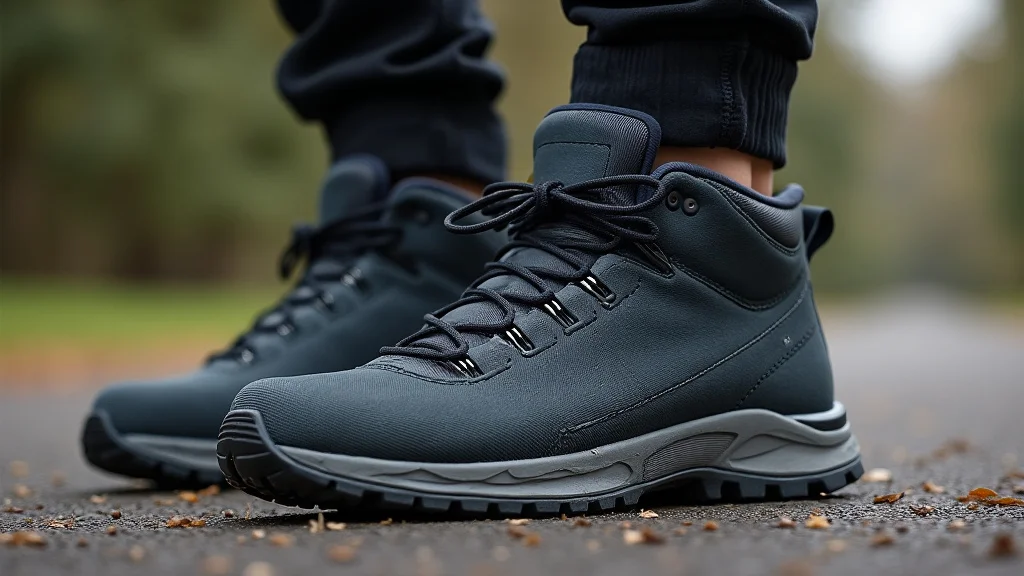
Hiking boots are designed for longer treks and more demanding terrains, providing enhanced support, stability, and protection compared to trail running shoes. They typically feature a higher cut (ankle support) and stiffer soles for increased stability on uneven ground. Hiking boots are built to withstand the rigors of off-trail adventures, offering features such as waterproof membranes and durable materials. Whether you’re planning a day hike or an extended backpacking trip, choosing the right hiking boots is essential for ensuring comfort and safety on the trail. Proper fit is especially important, as you will carry a heavy load, and your feet will be taking a pounding.
- Ankle Support: The higher cut of hiking boots provides crucial ankle support, reducing the risk of sprains and injuries on uneven terrain. This support is particularly helpful when carrying a heavy pack.
- Stiff Soles: Stiff soles provide excellent stability and protection, particularly when navigating rocky or uneven trails. They also provide better support when carrying heavier loads.
- Durable Materials: Hiking boots are usually made of durable materials like leather or synthetic fabrics, designed to withstand wear and tear. These materials offer long-lasting performance and resistance to abrasions.
- Waterproof Membranes: Many hiking boots feature waterproof membranes, such as Gore-Tex, to keep feet dry in wet conditions. These membranes are breathable, allowing moisture vapor to escape.
Approach Shoes
Approach shoes are a hybrid between hiking shoes and climbing shoes, designed for the approach to climbing routes and light scrambling. They offer a balance of comfort, agility, and grip, allowing climbers to navigate challenging terrain efficiently. Approach shoes typically feature sticky rubber outsoles for excellent traction on rock, durable uppers for protection, and a low-profile design for enhanced mobility. These shoes are not only suitable for technical hiking but can also be used for everyday activities. They provide comfort, support, and protection.
- Sticky Rubber Outsoles: Sticky rubber outsoles provide exceptional grip on rock, allowing climbers and hikers to confidently navigate challenging terrain. The rubber compound is specially formulated for optimal friction.
- Durable Uppers: Uppers are made of durable materials to withstand wear and tear, and often feature reinforced toe caps for protection. These materials must endure rocks and friction.
- Low-Profile Design: The low-profile design enhances mobility and agility, allowing for a better feel of the terrain and improved footwork. This design helps users maintain a natural stride.
- Precise Fit: Approach shoes often have a precise fit, which is crucial for climbing and scrambling. A snug fit provides better control and sensitivity, allowing users to feel the terrain.
Materials Used in Sport Outdoor Shoes
The materials used in sport outdoor shoes play a vital role in determining their performance, durability, and comfort. Each material contributes unique properties to the shoe’s overall functionality. From the upper materials that provide protection and breathability to the midsoles that offer cushioning and support, understanding these components is key to selecting the right shoes. The choice of materials influences everything from how well the shoes grip on different surfaces to their resistance to water and wear. The right combination of materials ensures that your shoes can withstand the demands of outdoor activities while keeping your feet comfortable and protected.
Upper Materials
The uppers of sport outdoor shoes are responsible for protecting your feet, providing breathability, and ensuring a comfortable fit. Uppers are constructed from a variety of materials, each offering different advantages depending on the intended use. Common materials include leather, synthetic fabrics, and mesh. These materials also often feature waterproof membranes and protective overlays for added durability. The selection of upper materials directly impacts the shoe’s weight, breathability, and its resistance to the elements.
- Leather: Leather uppers offer excellent durability, water resistance (with proper treatment), and a classic look. Leather is durable and can conform to your foot shape over time. It is a material often found in hiking boots, providing a high level of protection.
- Synthetic Fabrics: Synthetic fabrics, like nylon and polyester, are lightweight, breathable, and quick-drying. These materials are also very durable. They are commonly used in trail running shoes, where breathability and light weight are important.
- Mesh: Mesh uppers enhance breathability and are often used in combination with other materials to improve airflow. Mesh is light and flexible and is great for hot conditions, allowing air to circulate. It is often found in running shoes.
- Waterproof Membranes: Waterproof membranes, such as Gore-Tex, are often incorporated into the uppers of hiking boots and trail running shoes. These membranes keep water out while allowing moisture vapor to escape, maintaining dryness and comfort.
Midsole Materials
The midsole of a sport outdoor shoe is located between the upper and the outsole. It is responsible for providing cushioning, shock absorption, and support. Midsole materials greatly influence the shoe’s comfort and its ability to absorb impact. Different materials offer different levels of cushioning, energy return, and stability, with each suitable for different types of activities. Choosing the right midsole material is vital for reducing fatigue and protecting your feet from the impact of various terrains.
- EVA (Ethylene-vinyl acetate): EVA is a common midsole material known for its lightweight cushioning and shock absorption. It provides a comfortable ride and is suitable for a wide range of activities. EVA is often used in running and hiking shoes.
- Polyurethane (PU): PU midsoles are more durable and provide greater stability than EVA, making them suitable for hiking and backpacking. PU is a long-lasting material that resists compression, which is ideal for supporting heavier loads.
- TPU (Thermoplastic polyurethane): TPU is often added to EVA midsoles to enhance durability and provide more responsiveness. TPU helps with energy return and can be found in more performance-oriented footwear.
- Compression-Molded EVA (CMEVA): CMEVA midsoles are produced by compressing EVA foam, resulting in improved durability and enhanced cushioning. This process ensures better performance and a longer lifespan.
Outsole Materials
The outsole of a sport outdoor shoe is the bottommost layer, responsible for providing grip and traction on various surfaces. Outsole materials greatly impact a shoe’s ability to maintain grip on different terrains, whether it is wet, dry, or rocky. The materials chosen must withstand abrasions and environmental factors, ensuring long-lasting performance. The design of the outsole, including lug patterns and rubber compounds, is crucial to providing stability and preventing slips and falls on the trail.
- Rubber: Rubber is the most common outsole material, known for its excellent grip and durability. Different types of rubber compounds are used, each designed for specific conditions. Rubber provides reliable traction on varied terrain.
- Carbon Rubber: Carbon rubber is a type of rubber that is highly durable and abrasion-resistant, often found in trail running shoes and hiking boots. It offers great traction and is ideal for rough surfaces.
- Vibram Rubber: Vibram is a renowned brand of rubber outsoles, known for its high quality and excellent grip. Vibram outsoles are often used in hiking boots and approach shoes. These outsoles ensure performance in various settings.
- Lug Pattern: The lug pattern (the design on the bottom of the shoe) influences the shoe’s grip. Deep lugs provide excellent traction on soft surfaces like mud, while shallower lugs work well on hard-packed trails.
Features to Consider in Sport Outdoor Shoes
When selecting sport outdoor shoes, several key features significantly impact performance, comfort, and safety. Understanding these elements enables you to make informed decisions that align with your activity. These features directly influence your experience, making them a deciding factor in your purchase. Consider these features when looking at your next pair of shoes.
Waterproofing
Waterproof features are essential for keeping your feet dry in wet conditions, preventing blisters, and maintaining comfort. These features are generally incorporated into the shoe’s construction through the use of waterproof membranes, water-resistant treatments, and sealed seams. The effectiveness of waterproofing varies based on the type of membrane, construction quality, and the level of protection required. This feature is especially important for activities in rain, snow, or crossing streams, protecting your feet from moisture and its effects.
- Waterproof Membranes: Membranes, like Gore-Tex, are the most common method of waterproofing. These membranes allow moisture vapor to escape while preventing water from entering. This ensures dryness and breathability.
- Water-Resistant Treatments: Some shoes use water-resistant treatments on the upper materials. These treatments cause water to bead up and roll off the shoe’s surface, providing initial protection.
- Sealed Seams: Sealed seams help prevent water from penetrating the shoe through the stitching. This construction method minimizes water entry points.
- Height and Construction: The height of the shoe and its overall construction also play a role in waterproofing. Higher-cut shoes provide more protection against water entry, keeping your feet dry.
Breathability
Breathability is vital for maintaining foot comfort by allowing moisture vapor to escape, preventing overheating and reducing the risk of blisters. Breathable shoes feature materials and designs that promote air circulation and moisture management. The breathability of a shoe can greatly influence your comfort during exercise, especially in warm weather. Breathable designs help regulate temperature and reduce moisture buildup, preventing discomfort and potential foot problems.
- Mesh Uppers: Mesh uppers are highly breathable, allowing air to circulate around the feet. The material helps release heat and moisture vapor, promoting comfort during activities.
- Ventilation Ports: Some shoes include ventilation ports or channels to enhance breathability. These ports allow for increased airflow.
- Breathable Liners: Breathable liners inside the shoe help wick away moisture and keep your feet dry. These liners enhance comfort and regulate temperature.
- Moisture-Wicking Materials: Materials that wick away moisture from the skin, such as some synthetic fabrics, can help keep feet dry. This feature ensures better comfort and prevents blistering.
Traction and Grip
Traction and grip are crucial for providing stability and preventing slips and falls on various terrains. The type of outsole and its lug pattern significantly affect the shoe’s ability to maintain contact with the ground. Selecting a shoe with appropriate traction is paramount for safety and performance, especially on uneven, slippery, or technical trails. The right traction ensures you can move with confidence and navigate any terrain.
- Lug Pattern: The lug pattern is the design on the outsole and determines the shoe’s grip. Deep, widely spaced lugs provide great grip on soft surfaces. Shallow lugs are better for hard-packed trails.
- Rubber Compound: The rubber compound used in the outsole influences the shoe’s grip. Sticky rubber compounds offer superior grip on rock and wet surfaces. The choice of compound should match the terrain.
- Lug Depth: The depth of the lugs affects the shoe’s traction. Deeper lugs provide more grip on loose terrain like mud and snow. Lug depth is crucial for different conditions.
- Outsole Design: The overall design of the outsole, including its shape and arrangement, impacts grip and stability. Some outsoles are designed for specific activities or terrains.
Choosing the Right Sport Outdoor Shoes
Selecting the appropriate sport outdoor shoes involves considering several factors to ensure they meet your needs. Begin by assessing your activity level, the terrain you’ll be traversing, and the environmental conditions you’ll encounter. Consider these factors when making a selection to get the best performance. Once you’ve analyzed these elements, you can narrow down your options based on shoe type, features, and fit. Careful consideration of these aspects will help ensure you choose the best shoes for your outdoor pursuits.
Activity and Terrain
The type of activity and terrain greatly influences the type of sport outdoor shoe you should select. Choosing the proper footwear for your planned activities will enhance your comfort and performance. For trail running, lightweight shoes with aggressive traction are ideal. Hiking boots with ankle support and sturdy soles are designed for hiking. Approach shoes offer a balance for climbing. Matching the shoe to the terrain is crucial for the best possible outcome.
- Trail Running: For trail running, look for lightweight shoes with breathable uppers and aggressive outsoles for grip on varied terrain. These shoes should offer good cushioning.
- Hiking: Hiking requires more support and protection. Hiking boots with sturdy soles, ankle support, and waterproof membranes are essential for the hiking trails.
- Climbing/Scrambling: Approach shoes, with sticky rubber outsoles and a precise fit, are ideal for approaches to climbing routes and light scrambling. These shoes are all about performance.
- Everyday Use: For general outdoor activities and everyday use, consider shoes with a balance of comfort, durability, and versatility. The shoes should be suitable for various conditions.
Fit and Sizing
Proper fit is critical for comfort, performance, and preventing injuries. The fit should allow enough room for your toes to move freely while providing adequate support. When trying on shoes, it’s beneficial to wear the socks you would use during your activities. Ensure there is enough space in the toe box, that the heel is secure, and that the shoe fits the overall shape of your foot. Proper fit also addresses arch support. A well-fitting shoe is essential for a comfortable and enjoyable experience. Shoes should also accommodate insoles.
- Measure Your Feet: Measure your feet regularly, as foot size can change over time. Measure both feet, and use the larger measurement as a guide. Proper measurements help ensure a better fit.
- Wear the Right Socks: Try on shoes with the socks you plan to wear during your activities. Socks influence the shoe’s fit, and choosing the right socks can improve comfort.
- Toe Box Space: Ensure there is adequate space in the toe box to allow your toes to move without being cramped. This space is essential to prevent blisters.
- Heel Security: Make sure the heel fits snugly and does not slip. Good heel support is essential for stability and comfort on uneven terrain.
Features and Performance
The features of sport outdoor shoes greatly impact their performance, depending on your activity and the environment. Consider elements such as waterproofing for wet conditions, breathability for warmer weather, and traction for stability. The materials used also affect durability, weight, and overall performance. These features influence the shoe’s ability to handle the demands of your chosen activity. Prioritizing features is a key step.
- Waterproof vs. Water-Resistant: Decide whether you need full waterproofing or water resistance. Waterproofing is best for wet conditions. Water-resistant shoes are better in lighter moisture.
- Breathability and Ventilation: Choose shoes with good breathability to keep your feet cool and dry. Mesh uppers and ventilation ports are key features for breathability.
- Traction and Grip: Select shoes with appropriate traction based on the terrain. Deep lugs provide excellent grip on soft surfaces. Shallow lugs work well on hard-packed trails.
- Support and Stability: Consider the level of support and stability needed for your activity. Hiking boots offer excellent support, while trail running shoes are flexible.
Caring for Your Sport Outdoor Shoes
Proper care of your sport outdoor shoes helps to extend their lifespan, maintain performance, and ensure your feet remain comfortable. Regular cleaning, appropriate storage, and the use of protective treatments can prevent wear and tear. Make these steps a routine to maintain the best performance. Regular cleaning keeps shoes looking good. By following these guidelines, you can keep your shoes ready for your next adventures. These actions also promote better hygiene.
Cleaning and Maintenance
Cleaning and maintaining your sport outdoor shoes regularly can prevent the build-up of dirt, grime, and debris. Clean your shoes after each use to prolong their life. Simple maintenance tasks can prevent damage, improving their longevity. The cleaning frequency depends on use and conditions. Regularly cleaning them will keep them in top condition and ensure optimal performance. Proper maintenance also protects your feet.
- Rinse and Brush: After each use, rinse the shoes to remove dirt and debris. Use a soft brush to scrub off any caked-on mud or dirt. Clean regularly to maintain appearance.
- Wash With Soap and Water: For more thorough cleaning, use mild soap and water. Avoid harsh chemicals that can damage the materials. Use gentle methods for cleaning.
- Air Dry: Allow your shoes to air dry naturally, away from direct sunlight or heat. Heat can damage the materials. Avoid using a dryer.
- Inspect and Repair: Periodically inspect your shoes for any damage or wear. Repair any issues promptly to prevent further problems. Addressing damage quickly can save your shoes.
Storage and Protection
Proper storage is essential to protect your sport outdoor shoes when they are not in use, preventing premature wear and maintaining their shape. Storing them in a cool, dry place can safeguard them from the elements. Additionally, using shoe trees, protective sprays, and appropriate storage methods can preserve their quality. Following these storage practices will help you extend the lifespan of your shoes and ensure they’re ready for your next adventure.
- Cool and Dry Place: Store your shoes in a cool, dry place, away from direct sunlight and extreme temperatures. These conditions keep the shoes in good condition.
- Shoe Trees: Use shoe trees to maintain the shoe’s shape and prevent creases, particularly for leather boots. Shoe trees help retain the shape of shoes, adding to their longevity.
- Protective Sprays: Apply protective sprays to waterproof and protect the uppers from dirt and stains. These sprays are especially helpful for leather and synthetic materials.
- Separate Storage: Store shoes separately or in breathable bags to protect them from dust and damage. This practice protects the shoes and the other items.
Treatment and Longevity
Using treatments and taking preventative steps can greatly extend the lifespan of your sport outdoor shoes, ensuring they continue to provide optimal performance and protection. Applying water-repellent sprays, repairing small damages promptly, and rotating your shoes can help maintain their quality. These measures enhance durability and help protect your investment. With proper care, you can enjoy your outdoor adventures with shoes that remain reliable for years to come.
- Water-Repellent Sprays: Apply water-repellent sprays regularly to maintain water resistance. The sprays will keep water out and maintain protection.
- Repair Damage: Address small damages, such as loose stitching or worn soles, promptly. This action prevents further wear and tear.
- Rotate Shoes: Rotate between multiple pairs of shoes to extend their lifespan. Allowing shoes to dry fully between uses helps.
- Replace Soles: Consider replacing the soles if they wear out before the rest of the shoe. This can extend the life of your boots.
Common Myths Debunked
Myth 1: Expensive Shoes Always Mean Better Quality
While price can often reflect quality, a higher price tag doesn’t always guarantee that a shoe is the best for your needs. The best shoe depends on your activity, foot type, and the features that matter to you. Some high-end shoes are designed for advanced performance, while more affordable options may be perfectly suitable for casual use. Prioritize fit, materials, and specific features over the price tag.
Myth 2: Waterproof Shoes Are Always Hot
While waterproof shoes can sometimes feel warmer, modern designs incorporate breathable membranes and ventilation features to minimize heat build-up. Gore-Tex and similar technologies allow moisture vapor to escape while keeping water out. The breathability and design of the shoe are important considerations. Waterproof shoes can provide dryness without causing excessive heat.
Myth 3: You Should Always Buy a Size Up for Hiking Boots
This is not always necessary. While it’s true that your feet may swell during long hikes, buying a size up can lead to blisters if the shoes are too loose. It’s better to choose a boot that fits properly with the socks you plan to wear and has adequate toe room. Proper lacing techniques and sock selection can also help manage swelling and prevent problems.
Myth 4: All Hiking Boots Need to Be Leather
Leather hiking boots are durable and long-lasting, but synthetic options offer advantages like lighter weight and quicker drying times. Synthetic materials have advanced considerably, offering excellent performance and protection, especially in wet conditions. The best material depends on the environment and preferences. Leather is not the only viable option.
Myth 5: Stiff Soles Are Always Better
While stiff soles provide excellent support and stability on rough terrain, they can also be less comfortable for casual walking or on trails that require more flexibility. The best sole stiffness depends on your activities. Softer soles can be ideal for trail running. Stiffer soles are best for backpacking.
Frequently Asked Questions
Question: How often should I replace my sport outdoor shoes?
Answer: It depends on the frequency of use and the terrain. Typically, running shoes should be
Question: Can I use running shoes for hiking?
Answer: It’s possible for short distances on easy trails, but hiking boots offer better support and protection on rugged terrain.
Question: How do I clean the inside of my shoes?
Answer: Remove the insoles and clean them separately. Wipe the inside of the shoes with a damp cloth or sponge and let them air dry completely.
Question: What’s the best way to prevent blisters?
Answer: Proper fit, moisture-wicking socks, and well-broken-in shoes are the best defenses. Consider using blister prevention products like tape or balms.
Question: Are trail running shoes suitable for road running?
Answer: Trail running shoes can be used on roads occasionally. However, they aren’t designed for road running. Their lugged soles can wear down quickly. It is best to stick to dedicated road running shoes.
Final Thoughts
Choosing the right sport outdoor shoes is an investment in your comfort, performance, and enjoyment of the great outdoors. From trail running to hiking, the type of activity you plan significantly impacts the shoe you should choose. Materials, features like waterproofing and breathability, and proper fit are key. Understand the differences between shoes, and take the time to measure your feet and choose the best fit. Remember to regularly clean, store, and care for your shoes to extend their life. Now, take what you’ve learned, choose your ideal pair, and get ready to explore the trails with confidence and comfort. Happy adventuring!