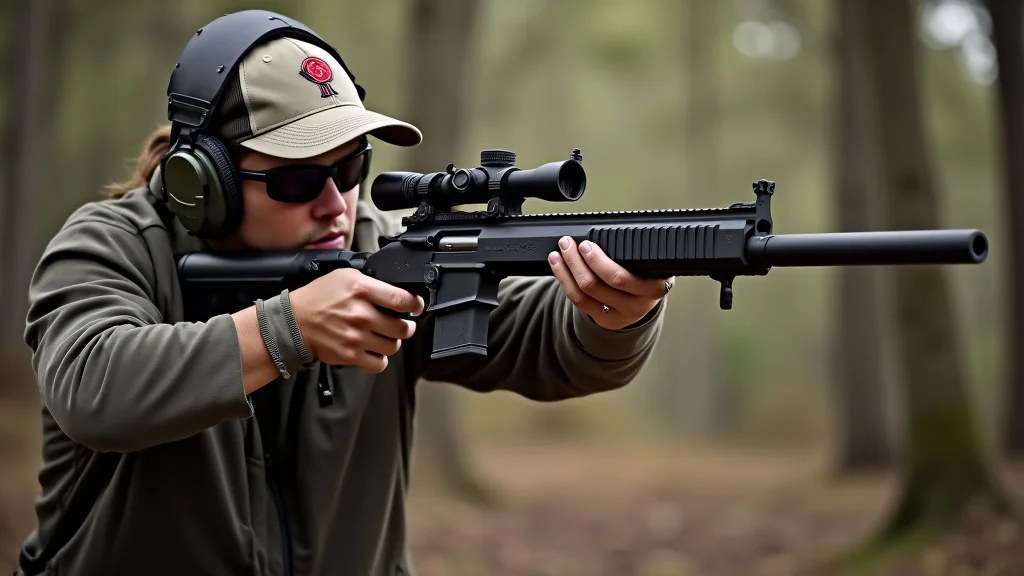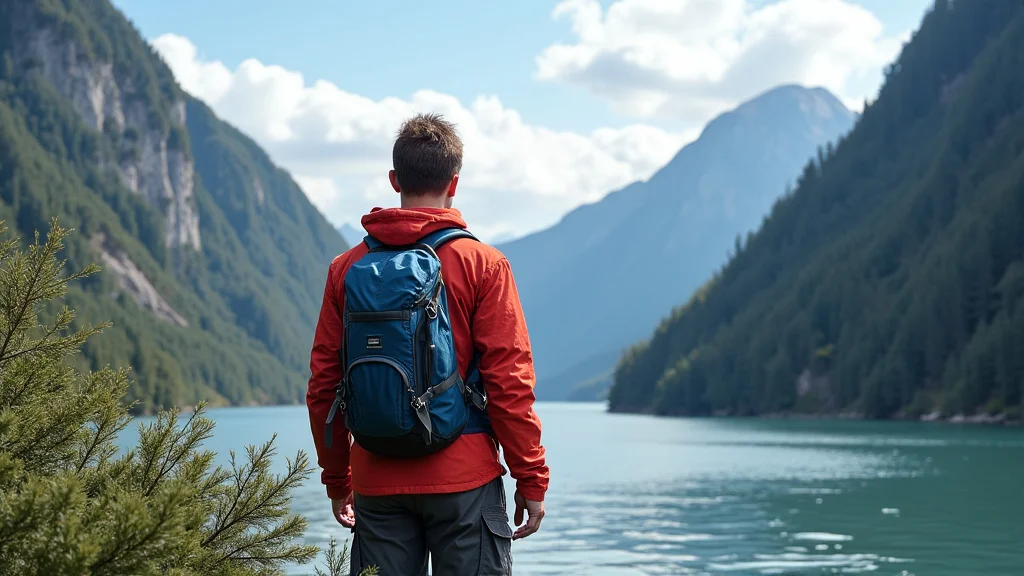
Picture this: you’re planning an exciting trip to the mountains, and you’re surrounded by amazing views. But the journey also involves thinking about safety, helping others, and planning activities that are fun for everyone. If this sounds interesting, then this blog post is for you! We’ll explore the exciting world of the NCFE level 3 in sport outdoor, exploring the pathways to outdoor adventure.
This post explains what the qualification involves, the skills you’ll learn, and what career options are available. You’ll gain a better insight into the NCFE level 3 in sport outdoor, which is a great starting point for those keen on adventure, or want a career that involves the great outdoors. This information will help you to learn about the qualification and determine whether this is the correct path for you.
Key Takeaways
- You will learn the core components of the NCFE level 3 sport outdoor qualification.
- You’ll discover a variety of exciting career opportunities within the outdoor industry.
- You can find out about the kinds of skills you’ll develop, from leadership to technical skills.
- You can gain an awareness of the many topics covered, like safety and planning.
- You will be equipped with the information needed to evaluate if this qualification is for you.
- You can plan your next steps if this is something you want to follow.
Unveiling NCFE Level 3 Sport Outdoor: An Overview
The NCFE level 3 in sport outdoor is a great qualification for those wanting to kick-start their careers in the outdoor industry. This qualification provides you with a thorough knowledge base and practical skills, preparing you for various roles in the industry. It’s a vocational qualification, meaning it’s linked to the real world of work, giving you hands-on experience and the ability to apply what you’ve learned. It is a fantastic option if you enjoy being outside and helping others.
What Does the Course Entail?
The course curriculum covers a wide array of topics. You can explore how to lead groups in outdoor activities, manage risks, and learn about the environment. You also look at subjects such as navigation, first aid, and the essential skills required for specific activities, like climbing or kayaking. The aim of the qualification is to provide you with the essential knowledge, skills and capabilities for a wide range of outdoor careers. This will equip you with a good balance of theory and practice.
- Activity Leadership: This involves learning how to lead and instruct others in various outdoor activities, ensuring safety and enjoyment for all participants. You’ll explore methods of instruction, how to plan activities, and understand group dynamics.
- Environmental Awareness: You will explore the importance of conservation and sustainability. You’ll learn about different ecosystems, the impact of human activity, and the importance of responsible outdoor practices.
- Risk Management: This includes assessing and managing risks associated with outdoor activities. You will learn about hazard identification, risk assessment, and implementing control measures to keep yourself and others safe.
- First Aid and Emergency Procedures: You can learn crucial skills to deal with accidents and medical emergencies in remote locations. This will give you the skills to provide immediate care and assistance if needed.
Activity leadership is a core component. You will be able to teach people, which is an important skill when working outdoors. You’ll learn to organize activities, and make them safe and fun.
Being aware of the natural environment and how to protect it is essential for working in this field. You will learn about important conservation topics and sustainable practices.
Working outdoors can be risky, so it’s essential to understand risk. You will be taught how to identify risks and make safe choices.
Knowing how to provide first aid is important. You will be given the skills required to respond to emergencies effectively.
Assessment Methods
Assessment typically involves a mixture of practical and theoretical assessments. You may be assessed through observation during outdoor activities, written assignments, presentations, and sometimes, exams. This multi-faceted approach ensures that you gain practical skills and a thorough knowledge of the subject matter. The qualifications are often assessed using practical observations and written assignments, as well as presentations.
The assessment method is designed to provide you with useful skills that can be used within a wide range of outdoor careers. Many of the skills you learn are transferable, so you can use them in different roles, not just those related to the outdoors. The variety of assessment methods ensures you’re able to apply your knowledge in a range of settings. For instance, you might be asked to design and run an outdoor activity, write a report on environmental issues, or give a presentation on a specific outdoor skill.
Career Paths Following This Qualification
The NCFE level 3 in sport outdoor can lead to a diverse range of exciting jobs. The qualification can be used as a stepping stone towards employment, or you could use it to gain entry onto a university course. With this qualification, you can pursue a career that aligns with your passions. This provides many exciting possibilities.
- Outdoor Activity Instructor: Lead groups in various outdoor activities, such as climbing, kayaking, and hiking. You’ll be responsible for the safety and enjoyment of participants, providing instruction and guidance.
- Outdoor Education Officer: Work in schools or outdoor centers, teaching children and adults about the outdoors, environmental conservation, and outdoor skills. This can involve running programs, leading expeditions, and delivering workshops.
- Adventure Tourism Guide: Guide tourists on outdoor adventures, showcasing natural environments and providing information about the local area. This might include leading hikes, camping trips, or wildlife tours.
- Youth Worker: Work with young people to deliver outdoor programs. This could involve residential programs, or day activities.
- Self-Employed Freelancer: Use your skills and knowledge to offer freelance outdoor services. This can involve running guided walks, offering skills training, or providing outdoor consultancy services.
Outdoor instructors play a key role in delivering outdoor programs. They lead groups in a variety of activities, from climbing to kayaking. They also ensure the safety and enjoyment of participants.
Outdoor education officers deliver education programs. These can be in schools or at outdoor centres. You might teach about the environment, lead expeditions, or run workshops.
Adventure tourism guides lead groups on outdoor adventures, providing information and guidance. This job involves leading hikes, camping trips, and wildlife tours.
Youth workers can also deliver programs. You could organize residentials, or deliver day activities.
Many people work as freelancers. This can involve offering guidance, or skills training.
Essential Skills You Will Develop
The NCFE level 3 in sport outdoor aims to build a range of skills, which are essential for success in this industry. These skills not only enhance your employability, but also contribute to your personal development.
Technical Skills
These skills are essential for safety and efficiency in your chosen activity. These are the skills you need to be able to participate safely in different outdoor environments.
- Navigation: The ability to use maps, compasses, and GPS devices to find your way in the outdoors. You’ll also learn how to plan routes and deal with challenging terrain.
- First Aid: The skills to respond to injuries and medical emergencies in remote locations. This involves learning about wound care, and managing common injuries.
- Equipment Management: Knowing how to select, use, and maintain outdoor equipment, such as tents, ropes, and climbing gear. This can involve repairing gear.
- Specific Activity Skills: Developing competence in the activities you choose, such as rock climbing, kayaking, or mountaineering.
Being able to navigate is a key skill when working outdoors. You’ll explore how to use maps, compasses, and GPS devices.
Having first aid skills can be invaluable. You will learn about how to care for people, and deal with common injuries.
Managing equipment is key to safety, as you will need to know how to use and look after it.
You may also have the option to specialise in an activity, and explore different techniques.
Soft Skills
Soft skills, often referred to as transferable skills, are highly valued by employers. They are essential for effective communication, teamwork, and leadership.
- Leadership: Developing the ability to lead groups in outdoor activities, motivating and inspiring others, and making decisions.
- Communication: The ability to communicate effectively with a variety of people, including participants, colleagues, and members of the public. This can also involve presenting information.
- Problem-Solving: The ability to think critically and come up with solutions to problems. This can include adapting plans.
- Teamwork: The ability to work effectively with others, supporting and encouraging colleagues, and achieving common goals.
Good leadership skills are essential for the outdoor industry. This involves motivating others, and being able to make decisions.
Effective communication is a crucial skill. You will learn how to communicate with a range of people. You will learn to present information.
Problem-solving can be invaluable, so you will explore how to deal with problems.
You can also develop teamwork skills, supporting and encouraging colleagues.
Practical Skills
The practical skills you gain are invaluable for working in the outdoor industry. These enable you to perform tasks safely and effectively.
- Risk Assessment and Management: Assessing risks and taking steps to minimize them. This can include implementing safety measures.
- Activity Planning and Delivery: Planning and delivering a range of outdoor activities. This involves preparing for activities.
- Environmental Awareness and Conservation: Understanding and promoting environmental sustainability. This involves understanding different ecosystems.
- Emergency Response: Knowing how to respond to emergencies. This involves following protocols.
You will explore how to manage risks, so that you can create safe environments.
You will learn how to plan and deliver activities. This involves preparing for activities.
You can also develop awareness of environmental issues, and promote sustainability.
You will gain skills to effectively respond to emergencies, and follow the relevant protocols.
Planning and Preparation for Outdoor Adventures
Planning and preparation are key aspects of ensuring safety and a good experience for everyone. These elements cover everything from route planning to knowing the weather forecast.
Route Planning and Navigation Techniques
Route planning and navigation are essential for safe and successful outdoor activities. This involves using maps, compasses, and GPS devices.
- Map Reading: Learn how to read and interpret different types of maps, including topographical maps. This involves understanding contour lines, grid references, and symbols.
- Compass Usage: Understand how to use a compass to navigate in the outdoors. This involves taking bearings.
- GPS Devices: Learn how to use GPS devices for navigation and route tracking. This involves downloading routes, and using waypoints.
- Route Planning: Plan routes that are suitable for the group’s ability, considering factors such as terrain, weather, and time constraints. This involves assessing hazards.
Map reading is a key skill, and you will learn how to read different types of maps.
Using a compass is also important. You can use it to take bearings.
You will explore how to use GPS devices, which are a modern technology.
Planning routes is essential, and you will learn to think about ability and safety.
Weather Forecasting and Risk Assessment
Weather forecasting and risk assessment are critical for making informed decisions. By understanding the weather forecast, you can assess potential hazards.
- Weather Forecasting: Learn how to interpret weather forecasts, understanding weather patterns and how they affect outdoor activities.
- Hazard Identification: Identify potential hazards, such as falling rocks, river crossings, or extreme weather conditions.
- Risk Assessment: Assess the level of risk associated with each hazard, considering the likelihood and severity of potential incidents.
- Mitigation Strategies: Implement strategies to mitigate identified risks, such as adjusting the route, postponing the activity, or providing additional safety equipment.
You can learn how to interpret the weather forecast, and understand how it affects activities.
Identifying hazards is key. You can also work out how they can be avoided.
Assessing the level of risk is also essential. This allows you to plan accordingly.
You will also plan ways to mitigate the risks, so that you can ensure safety.
Common Myths Debunked
Myth 1: You need to be super fit to do an NCFE Level 3 in Sport Outdoor.
This isn’t entirely true. While a good level of physical fitness is beneficial, the NCFE Level 3 focuses on more than just physical prowess. The qualification is centered around knowledge, skills, and understanding of the outdoors. You will be learning about risk management, leadership, and environmental awareness, which don’t all depend on your fitness. The course encourages progressive development, so you will improve your skills as you gain confidence.
Myth 2: You must have prior outdoor experience.
You don’t need to be an expert to enroll. The NCFE Level 3 in Sport Outdoor is designed to build your knowledge from the start. Courses often cater to those with various levels of experience, with basic skills being introduced. The training is progressive, so you’ll gradually learn, and gain confidence in a safe and supportive environment. This means everyone will develop and build new skills.
Myth 3: This course is only for people who want to be guides.
Although it provides a great foundation for guiding, the NCFE Level 3 opens doors to a wide range of careers. These include education, youth work, conservation, and many other jobs. It gives you the necessary skills and understanding to work in the outdoors in a variety of roles. If you’re passionate about the outdoors and enjoy working with people, this qualification will give you the skills you need.
Myth 4: This course will be incredibly expensive.
While costs vary, there are often ways to fund your learning. You can explore government loans, bursaries, or scholarships. Research and compare course prices to find the best option. Consider the overall value, which includes the skills you’ll gain. Planning your budget and considering financial help can make the NCFE Level 3 in Sport Outdoor accessible.
Myth 5: It’s all about the fun and games.
While the activities can be enjoyable, this is a serious qualification. The curriculum covers important topics, such as safety, environmental awareness, and risk management. You’ll be challenged to develop skills in leadership, communication, and decision-making. The fun activities are part of a larger purpose, helping you to build practical skills. It’s a blend of theory and practice.
Frequently Asked Questions
Question: Is this course suitable for beginners?
Answer: Yes, the NCFE Level 3 in Sport Outdoor welcomes people with varying levels of experience. The course provides the necessary skills and knowledge from the start.
Question: How long does the course take?
Answer: The duration varies, but many courses run for one to two years, often on a part-time basis to enable learners to work alongside their studies.
Question: What are the entry requirements?
Answer: Typically, you will need some GCSEs or equivalent. Specific requirements depend on the course provider, so check with the training center.
Question: Are there any opportunities for work experience?
Answer: Absolutely, most courses include a work experience component, providing you with real-world experience.
Question: Where can I study for an NCFE Level 3 in Sport Outdoor?
Answer: This qualification is offered by a variety of colleges, outdoor centers, and training providers across the country.
Final Thoughts
The NCFE level 3 in sport outdoor is more than just a qualification. It’s a journey into the exciting world of adventure, skill development, and career possibilities. You’ve uncovered the core components, potential career paths, and the amazing skill set you can develop. From mastering navigation techniques to honing your leadership abilities, you’ll gain the knowledge and confidence to thrive in the outdoors and help others to do the same. This qualification is a great stepping stone towards a range of careers, so you can explore those options.
Consider your personal goals and interests, then make your next step. Explore course options, talk to professionals in the field, and start your path toward an outdoor career. Whether you dream of guiding others, teaching outdoor skills, or working in conservation, this qualification can equip you with the skills and confidence to reach your goals. Get ready to explore, experience, and achieve!